

- Features
- Options
- Applications
- IP-68 Rated Outdoor Enclosure
- 3 GHz, 6 GHz, 9 GHz Bandwidth, Ku, Ka – Band
- 30 MHz Lower Roll-off Frequency
- -40°C to +65°C Operating Temperature Range (1310 nm)
- CWDM, DWDM Wavelengths
- High SFDR
- Automatic Optical Power Control
- Local Status LED
- Cooled and Uncooled DFB Lasers
- -48 or 12 VDC Supply Voltage
- Dual Power Entry
- Two low phase noise clock distribution receivers
- RJ-45 for GbE
- I2C management extension to adjacent unit
- Integrated +20 dB and +40 dB Transmitter LNAs
- Extended Low Frequency, 10 kHz
- Integrated WDM or CWDM
- 5V (or 12V) Transmitter Bias-T (to Power Antenna or LNB)
- -48 VDC Supply Voltage
- Multimode Fiber Capability
- Antenna Extender
- Ground Station / Teleport Transport
- RF Over Fiber Transport
- Antenna Remoting
- Cellular / Public Safety Antenna Extender
- Maritime RF Signal Transport
- Disaster Recovery
- Oil & Gas Platforms
- TVRO
- VSAT
Product Description
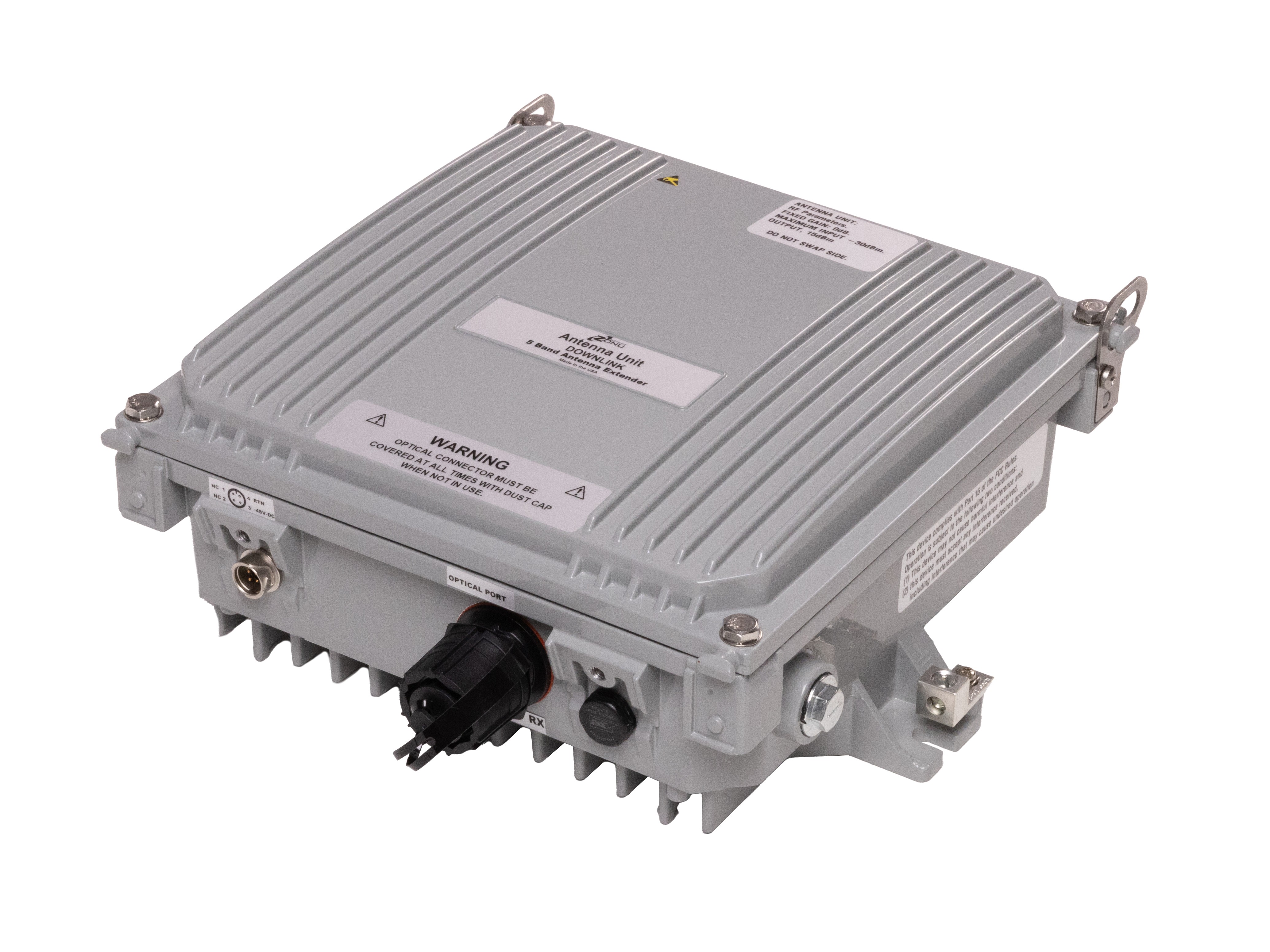
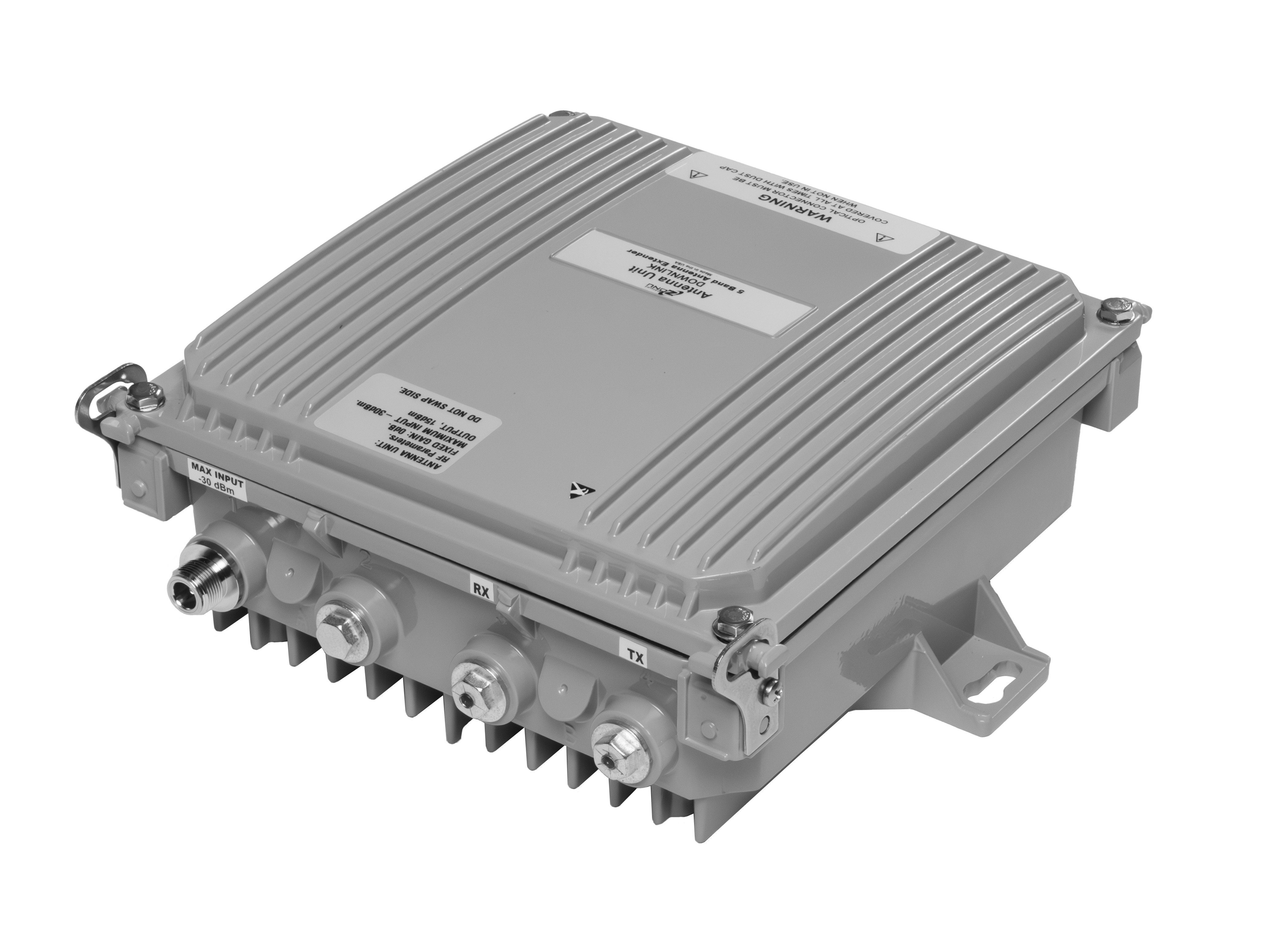
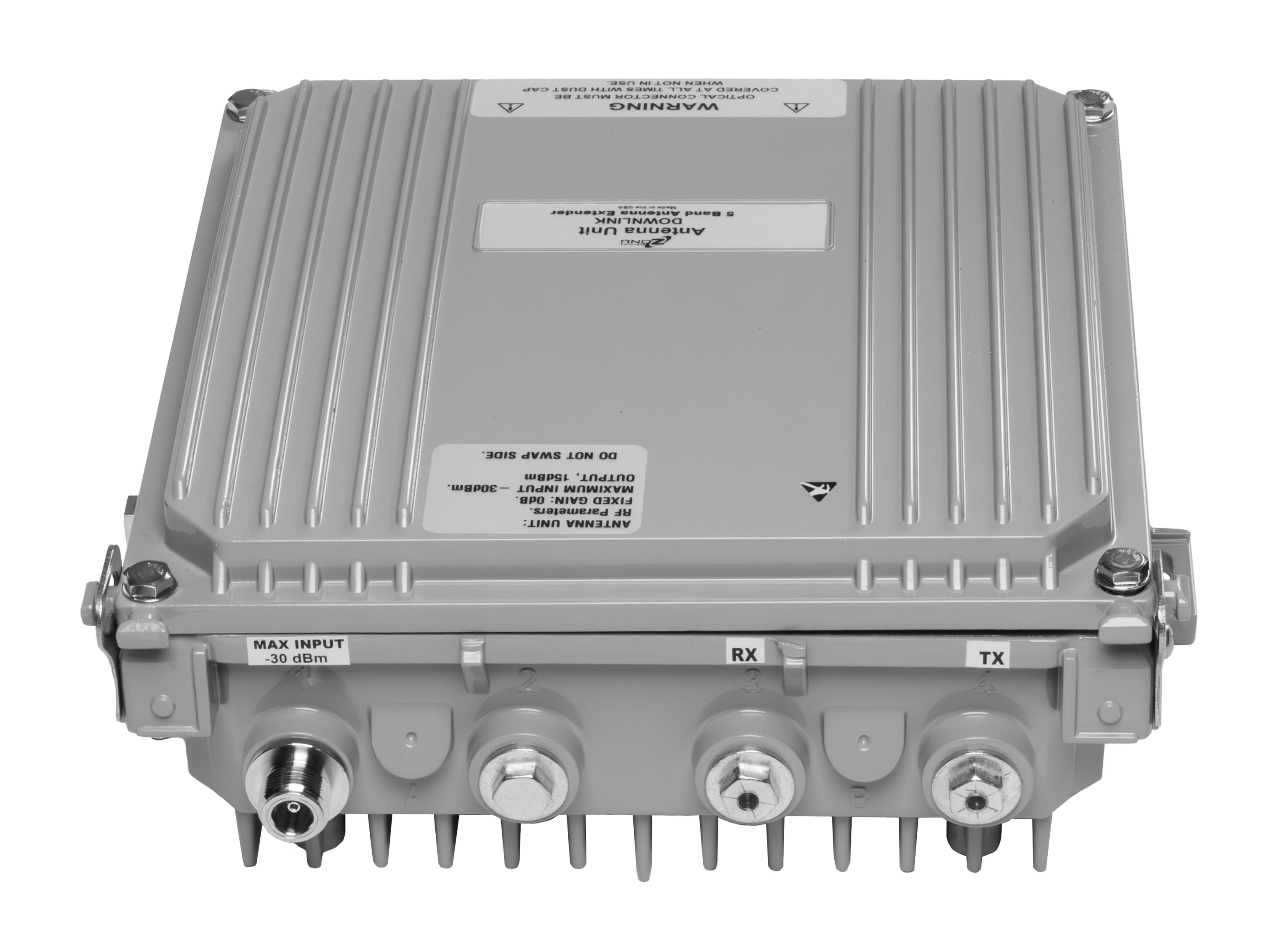
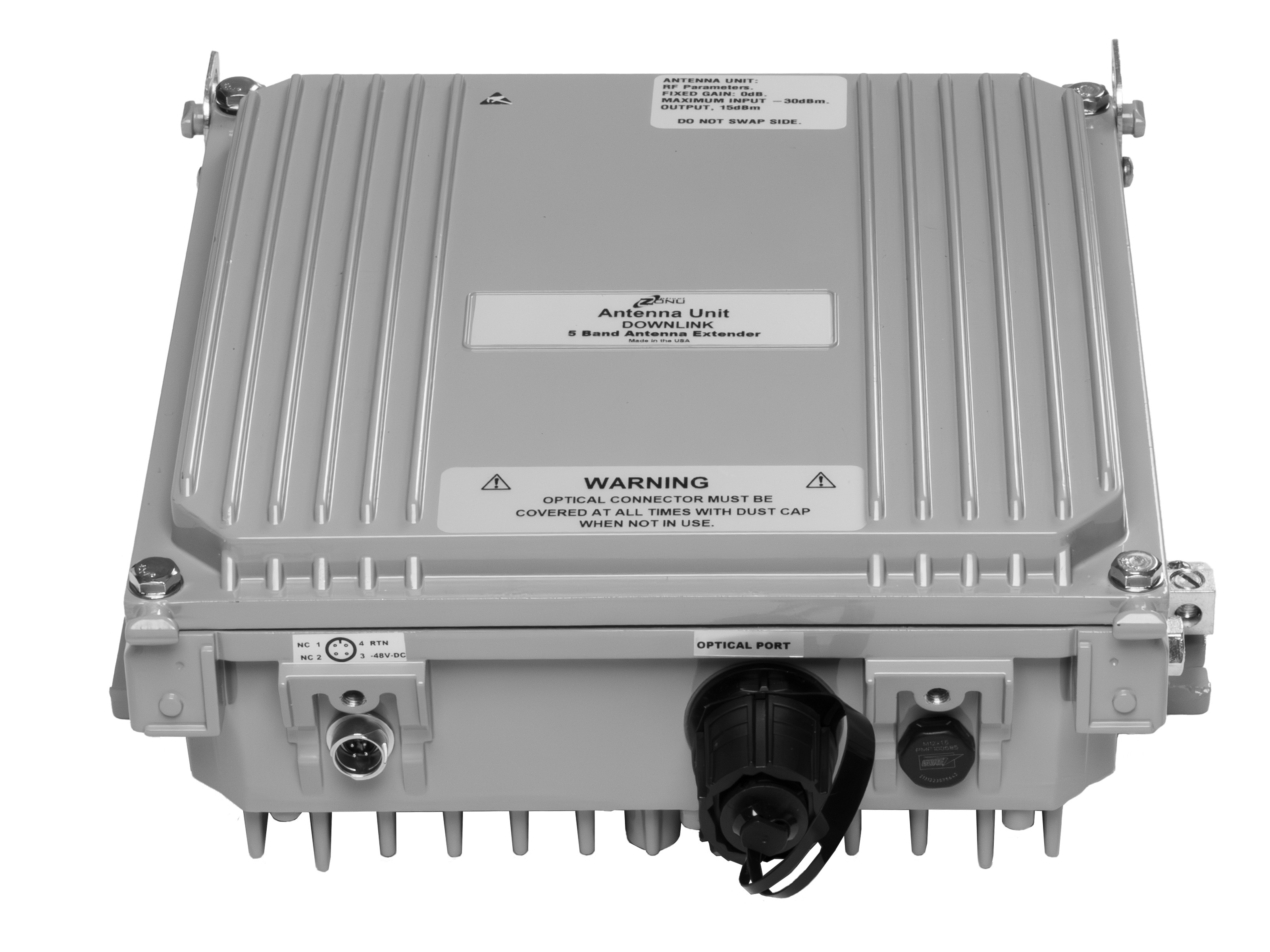
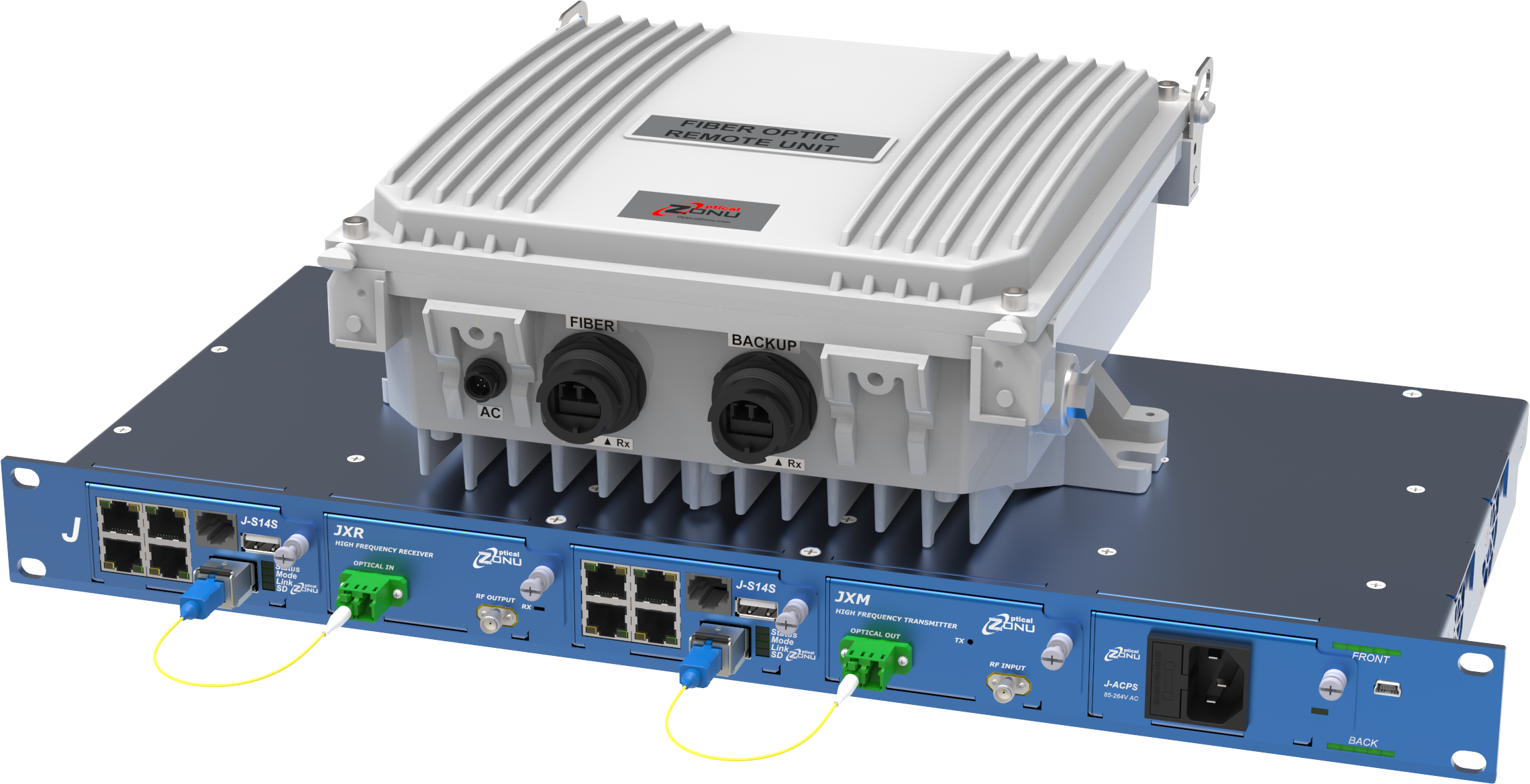
The TS L/S/C/X-Band fiber transport outdoor enclosure provides a simple, cost-effective, and reliable RF connection between satellite antenna and satcom modem in those cases where coaxial cable is impractical or additional security is required. Fiber optic transmitters feature linear cooled or uncooled isolated DFB laser diodes. Fiber optic receivers feature high performance InGaAs photodiodes. The standard transported RF frequency band with high spur free dynamic range (SFDR) is 30 – 3000 MHz. Options exist for extending the frequency range to 4, 6, and 9 GHz on the upper end, and/or 10 kHz on the lower end.
A single TS enclosure can accommodate a single or dual fiber transmitter, a single or dual fiber receiver, or a single fiber transceiver (transmitter + receiver). An integrated WDM facilitates bi-directional and dual RF signals on a single fiber. An optional low noise transmitter pre-amplifier ensures a margin on signal-to-noise ratio (especially on low received power downlinks) while keeping the signal in the most linear operating range of the fiber link. Options exist for integrating Bias-Ts into transmitters for the purpose of powering antennas and LNBs. Local LEDs provide status.
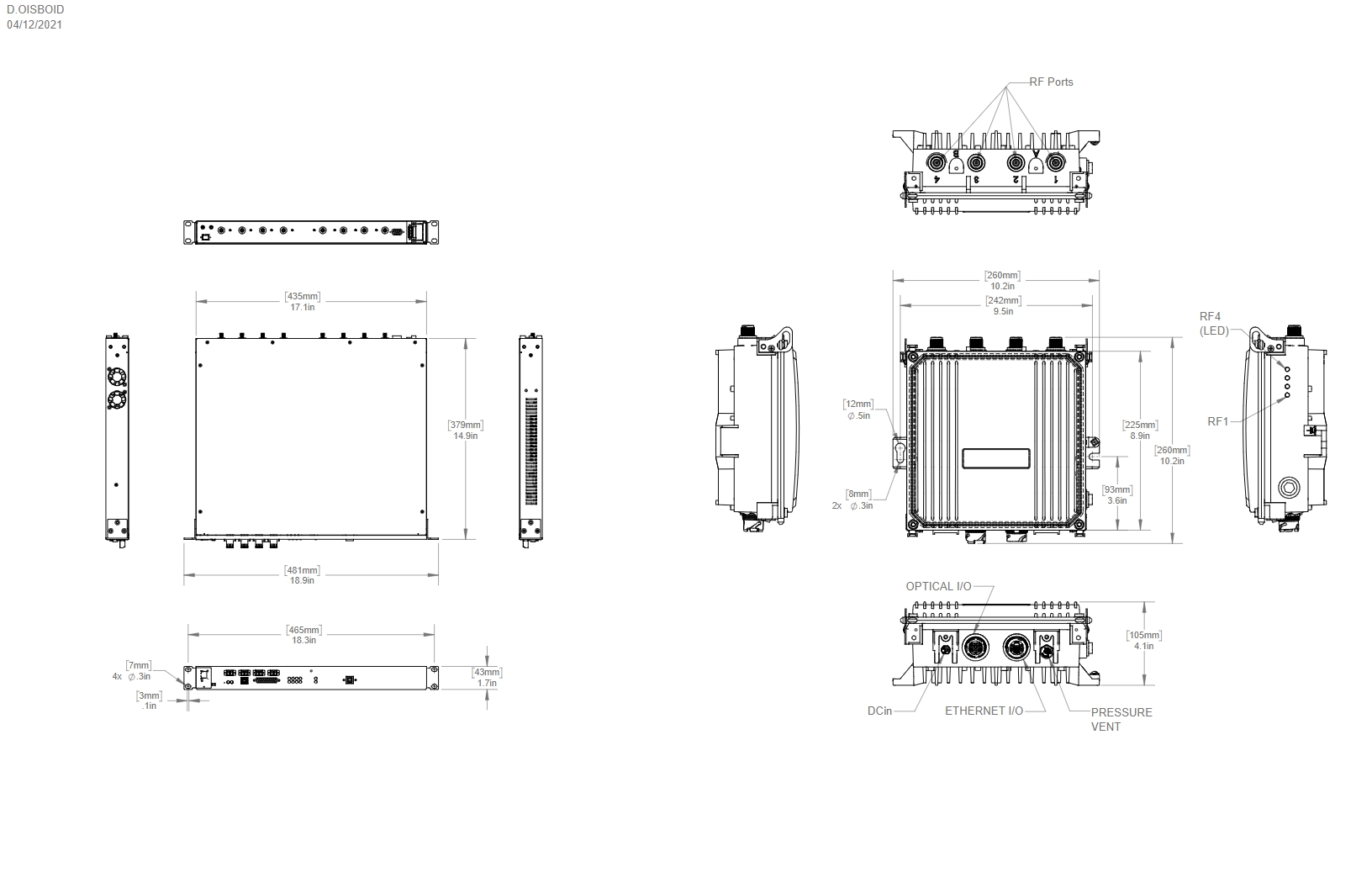
The standard RF interface is 50 Ω N(f). The enclosure is powered from 12 VDC. The TS enclosure may be powered from -48 VDC as an option. Contact Optical Zonu for options.