

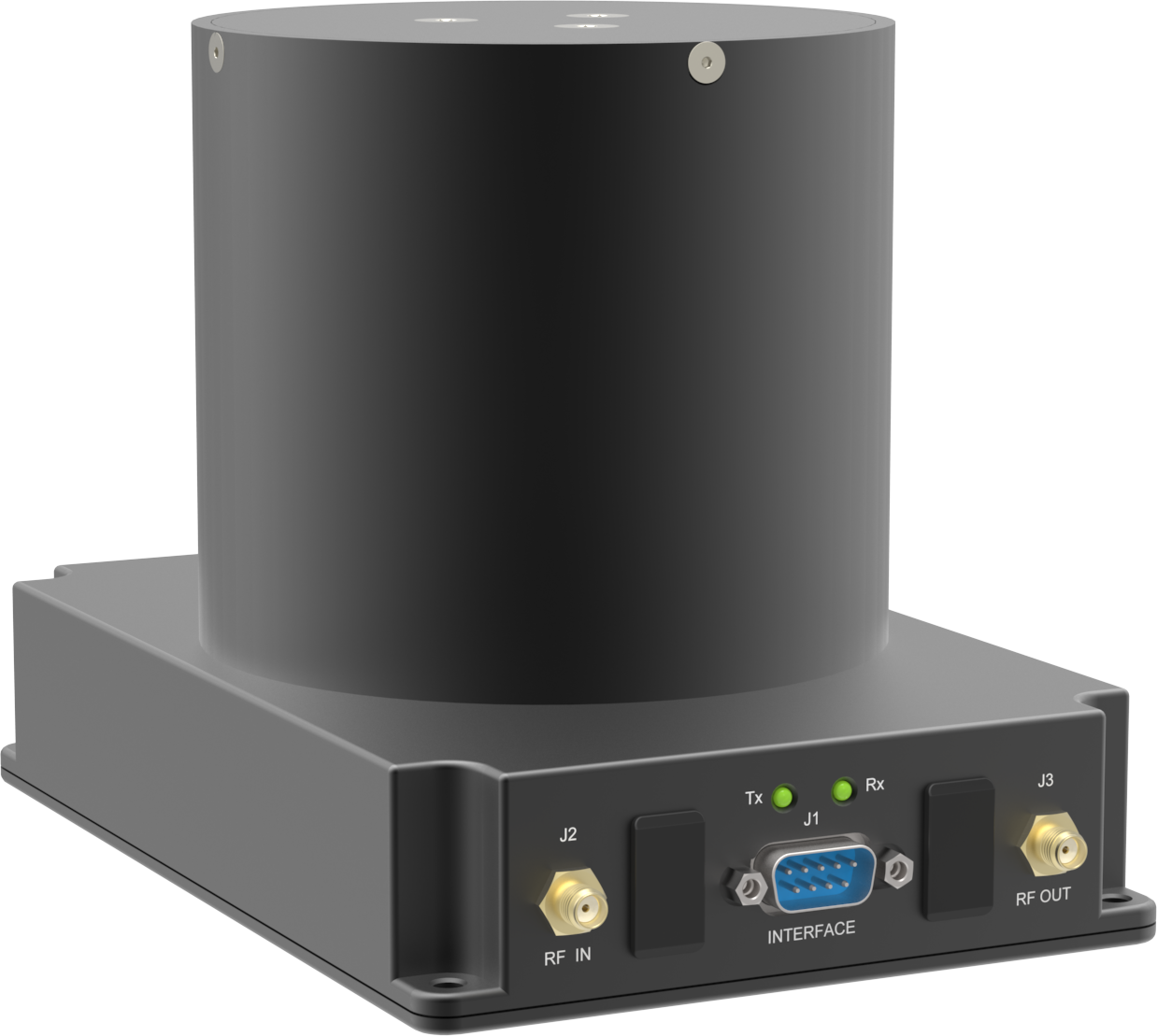
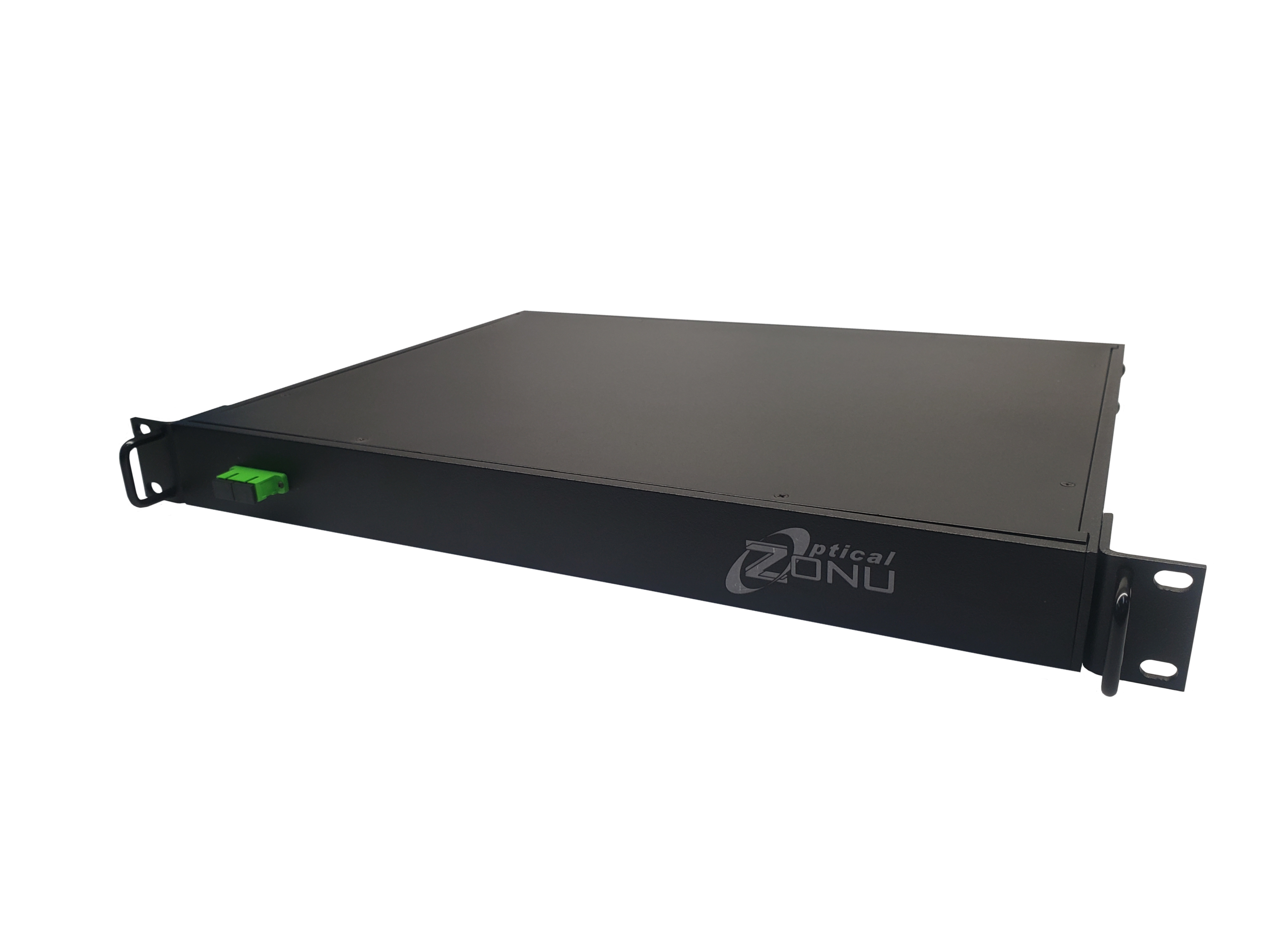
As RF and microwave systems continue to evolve toward higher frequencies, wider bandwidths, and more distributed architectures, precise signal timing becomes increasingly critical.
This is where fiber optic delay line technology provides significant advantages.
By using optical fiber to delay RF signals, engineers can achieve highly accurate, low-loss signal transport while supporting long distances, broad bandwidths, and immunity to electromagnetic interference.
Fiber optic delay lines are now widely used in aerospace, defense, radar, communications, antenna remoting, and advanced RF over Fiber (RFoF) systems.
What Is a Fiber Optic Delay Line?
A fiber optic delay line uses optical fiber to introduce a controlled delay into an RF or microwave signal path.
In RF over Fiber systems, the RF signal is converted into an optical signal, transported over fiber, and then converted back into RF at the remote endpoint.
Because optical fiber introduces predictable propagation delay, engineers can precisely manage signal timing across complex systems.
Compared to traditional coaxial approaches, fiber optic delay lines provide:
- Lower signal loss
- Longer transmission distances
- Wide bandwidth support
- Reduced electromagnetic interference
- Improved signal integrity
- Lightweight infrastructure
Why Fiber Optic Delay Lines Matter
Precise timing is essential in many modern RF and microwave applications.
Even small timing errors can impact:
- Radar performance
- Beamforming accuracy
- Phase synchronization
- Electronic warfare systems
- Antenna array operation
- Test and measurement systems
Fiber optic delay line technology allows engineers to maintain accurate signal timing while supporting distributed architectures and remote antenna deployments.
RF Over Fiber and Signal Delay Applications
RF over Fiber technology is especially well suited for fiber optic delay line applications because it combines:
- Low latency
- High dynamic range
- Wide instantaneous bandwidth
- Long-distance transport capability
This enables delay architectures that would be difficult or impractical using conventional coaxial cable systems.
Fiber optic delay lines are particularly valuable in systems where low loss and phase stability are critical.
Aerospace and Defense Applications
Fiber optic delay line technology is increasingly important in aerospace and defense systems.
Common applications include:
- Radar systems
- Electronic warfare
- Phased array antennas
- Secure communications
- Signal intelligence systems
- Remote antenna architectures
Because fiber optic systems are immune to electromagnetic interference, they can improve signal reliability and operational survivability in challenging environments.
Advantages Over Traditional Coaxial Delay Systems
Traditional coaxial delay systems can suffer from:
- High signal attenuation
- Limited bandwidth
- Increased weight
- Electromagnetic interference
- Installation complexity
Fiber optic delay lines help overcome these limitations while supporting modern high-frequency RF environments.
The result is improved scalability, reduced infrastructure burden, and more flexible system architectures.
The Future of Fiber Optic Delay Line Technology
As RF systems continue moving toward higher frequencies and more distributed network architectures, fiber optic delay line technology will become increasingly important.
Emerging applications in:
- 5G infrastructure
- satellite communications
- aerospace
- defense
- microwave photonics
are all driving demand for precise, scalable RF timing solutions.
Fiber optic delay lines provide a practical and efficient method for supporting these next-generation requirements.
Conclusion
Fiber optic delay line technology enables precise RF signal timing while supporting the long-distance, wideband, and low-loss requirements of modern microwave systems.
By leveraging RF over Fiber architectures, organizations can improve:
- signal integrity
- timing accuracy
- scalability
- and operational flexibility
As aerospace, defense, telecommunications, and advanced RF applications continue evolving, fiber optic delay lines will remain an important enabling technology.